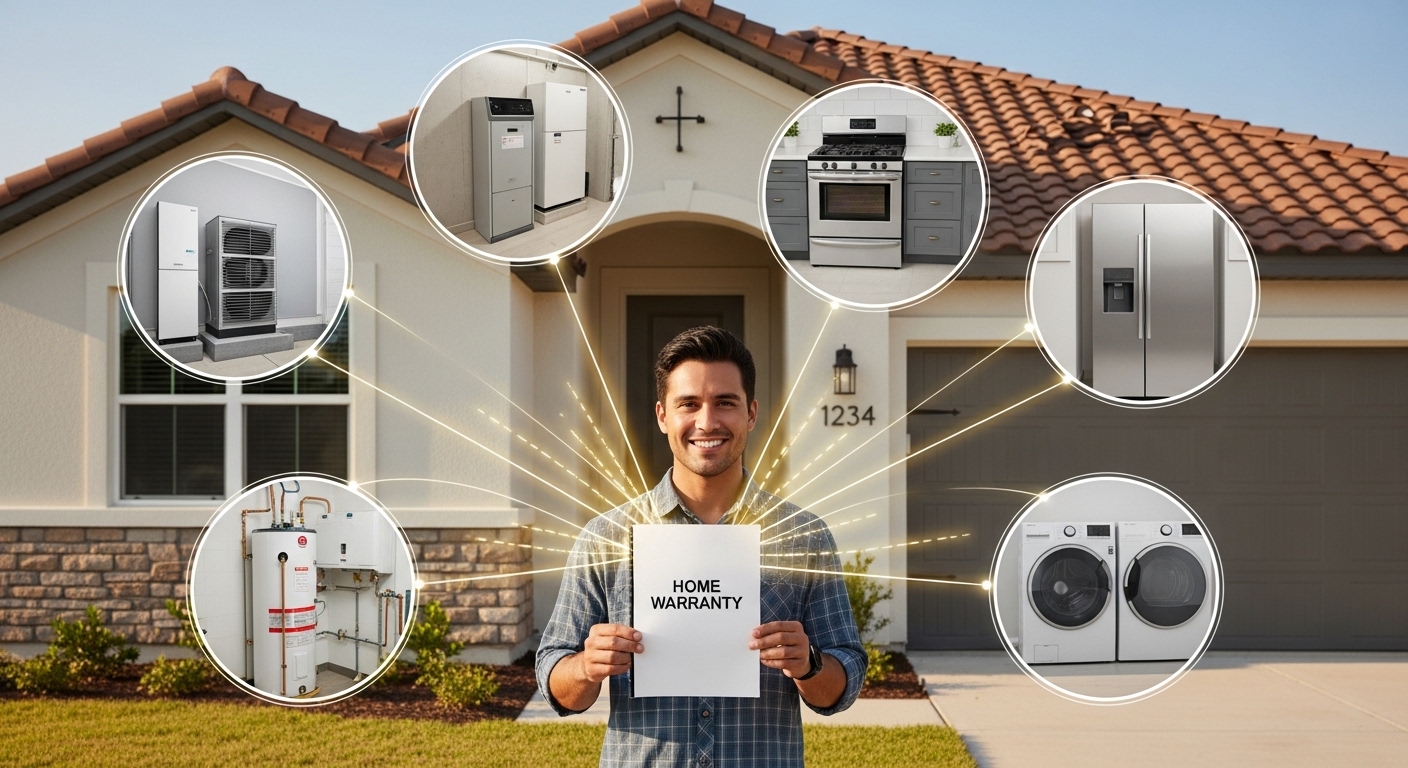
When I talk to sellers in Jacksonville about listing their homes, the conversation almost always touches on one question they're worried about: what happens if something breaks down after I've sold the house and moved on?
It's a legitimate concern. I've seen plenty of situations where a seller gets a phone call days or weeks after closing from an unhappy new owner because the air conditioner quit, the dishwasher died, or the water heater gave out. These conversations never go well, and they can sometimes lead to bigger headaches.
The good news? A seller's home warranty can cover the time period from when the house is listed to when the transaction closes, and many sellers choose to purchase a full warranty that can be transferred to the buyer as an added incentive.
The Problem That Home Warranties Actually Solve
Most people think home warranties are just for buyers. And yes, buyers do benefit from them. But here's what changed in real estate: home warranties can provide sellers with increased value for the listed property, which may attract more offers and lessen time on the market, decreased buyer concern over older HVAC systems, water heaters and included appliances, and financial protection against unexpected malfunctions and breakdowns while the property is listed.
Think about it this way. You're selling your Jacksonville home, and you're done with it. You've already accepted an offer, and you're heading toward closing. Then, three days before your scheduled closing date, your furnace stops working. Without a warranty, you're facing a tough choice: pay for a replacement out of your own pocket, or negotiate with the buyer about who's responsible. Either way, the deal gets complicated, and things can fall apart.
A home warranty protects you from unexpected repair costs if a covered item breaks down before closing and can help reduce post-sale disputes and liability for sellers. This is the real value for sellers—peace of mind during a transaction that's already stressful enough.
What Does a Seller's Warranty Actually Cover?
A home warranty is a service contract that covers the cost to repair or replace home systems, including HVAC, electrical and plumbing and major kitchen and laundry appliances. We're talking about the systems and appliances that cost real money when they break: your air conditioning, heating system, plumbing, electrical systems, water heater, refrigerator, dishwasher, washer and dryer.
It doesn't cover structural issues or damage from neglect. And it doesn't cover things like windows, doors, or walls. But for the major systems and appliances that get heavy use and can cost thousands to repair or replace, it provides solid coverage.
You're Not Really Paying for This—And That's the Real Trick
Here's something that surprised a lot of my Jacksonville sellers when I explained it to them: Most policies cover the home while it's on the market for no cost to the seller, and if the seller uses the policy while the home is listed or in escrow, the seller only pays the cost of service calls, not the cost of the policy. When the home sale closes, the warranty is transferred to the buyer, and if the buyer accepts the transfer, the cost of the policy typically comes out of the seller's proceeds, and if the buyer opts not to accept, the warranty is then canceled at no cost to the seller.
That's right. If you're transferring the warranty to the buyer, the cost often comes out of your sale proceeds at closing, not out of your pocket right now. It's an expense, sure, but it's one that gets handled at the closing table.
Many home warranty companies include a seller's warranty for free as long as you have a signed agreement to purchase a home warranty plan for the buyer once closed. You should expect to pay somewhere around $300–$600 for a seller's warranty without this option, and if you agree to purchase a home warranty plan for the buyer, the average cost ranges from $39–$63 per month.
Why This Actually Matters During the Inspection Process
One of the biggest benefits I've seen is how home warranties smooth out inspection negotiations. After a home inspection, buyers often request repairs for items that are aging but still functional. Home warranties can be a big help during escrow when your buyer submits a list of repair requests after getting their home inspection report. If any items on the repair list are covered under the home warranty, then you may be able to use the policy to help cover the costs of those repairs.
Instead of arguing about who pays or trying to negotiate down a repair bill, the warranty handles it. You pay a small service fee—usually between $75 and $150—and the rest is covered. It keeps the deal moving forward.
The Real Insurance Against Post-Sale Headaches
Here's the scenario that keeps sellers awake at night: what if the furnace fails two weeks before closing? Without coverage, you'd either pay for the repair yourself or risk the buyer walking away.
More importantly, what happens after you've sold? If something breaks right after the buyer moves in, the warranty gives them a clear path to get it fixed without circling back to the seller with complaints or legal concerns. When you transfer the warranty to the new owner, you eliminate one of the biggest sources of post-sale conflict. They have a problem? They call the warranty company, not you.
For Jacksonville sellers, this is especially valuable. According to a study by the Service Contract Industry Council, homes that include a protection plan tend to sell faster, spending about 11 fewer days on the market and selling for over $2,300 more than properties sold without a warranty plan.
Does It Make Sense for Your Jacksonville Home?
Not every home needs a warranty. If most of your appliances are new and still covered under the original manufacturer's warranty or if you're listing your home in a seller's market, a warranty may be an unnecessary expense.
But a home warranty may be just what you need to set yourself apart from other sellers, and in competitive markets, homes with warranties stand out, signaling trust and long-term value to potential buyers. If you have an older Jacksonville home with aging systems and appliances, or if you're selling in a buyer's market, a warranty becomes a smart investment.
Let's Talk About Your Specific Situation
If you're thinking about selling your Jacksonville home, I'd recommend discussing home warranties with your real estate agent. Every sale is different. The age of your home, the condition of your major systems, the current market, and your timeline all play a role in whether a warranty makes sense for you.
What I know from experience is this: a home warranty typically costs just a few hundred dollars, but it can save you thousands in stress and potential disputes. It shows buyers that you stand behind your home. It protects you during the transaction and after closing. And it makes the whole process smoother.
If you're ready to explore your options for selling your Jacksonville home and want to talk about strategies like home warranties to make your sale as smooth as possible, that's what I'm here for. Search for your home on HOUSEJET, and let's start the conversation.